
Costa Blanca · Towns
Find your town on the Costa Blanca
Compare the region’s towns and villages on cost, character, and who each one actually suits — before you dive into the full guide for any of them.
Compare the region’s towns and villages on cost, character, and who each one actually suits — before you dive into the full guide for any of them.

The Costa Blanca’s own capital — a real city year-round, with a castle, a working port, and a beach you can walk to from the old town.
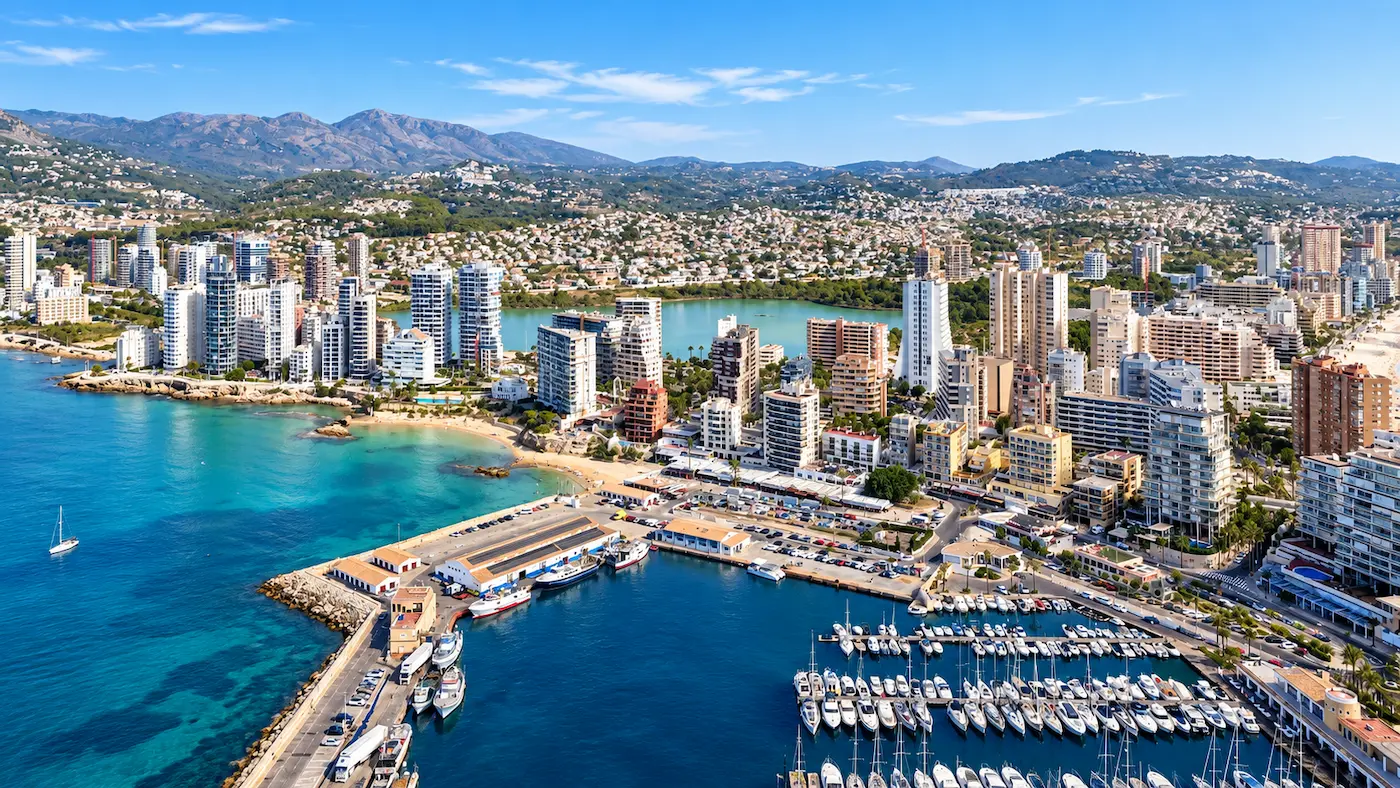
Dominated by the Peñón de Ifach — the huge limestone rock rising straight out of the sea — with two beaches either side of the old town.
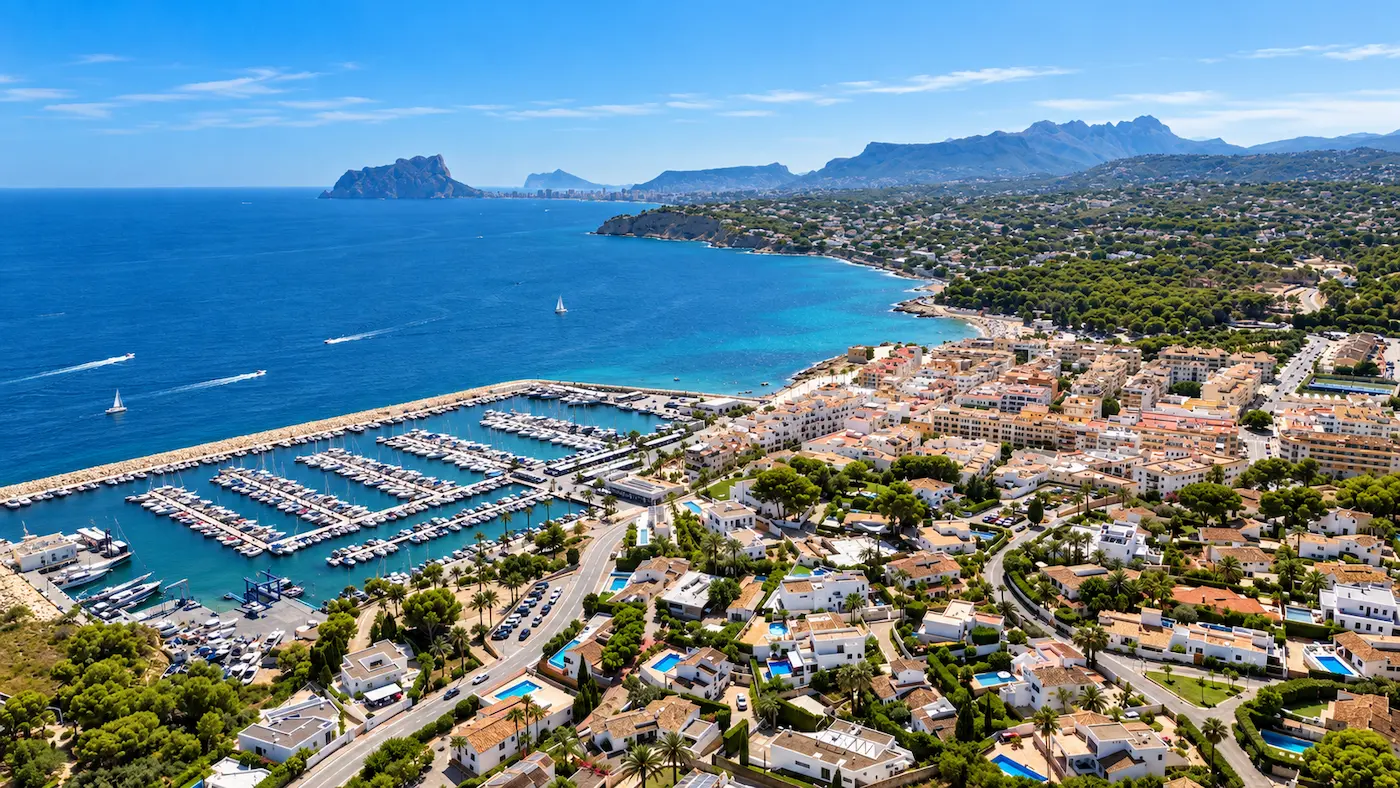
Understated and upscale — no high-rises, a small working harbour, and a slower pace than its bigger neighbours.
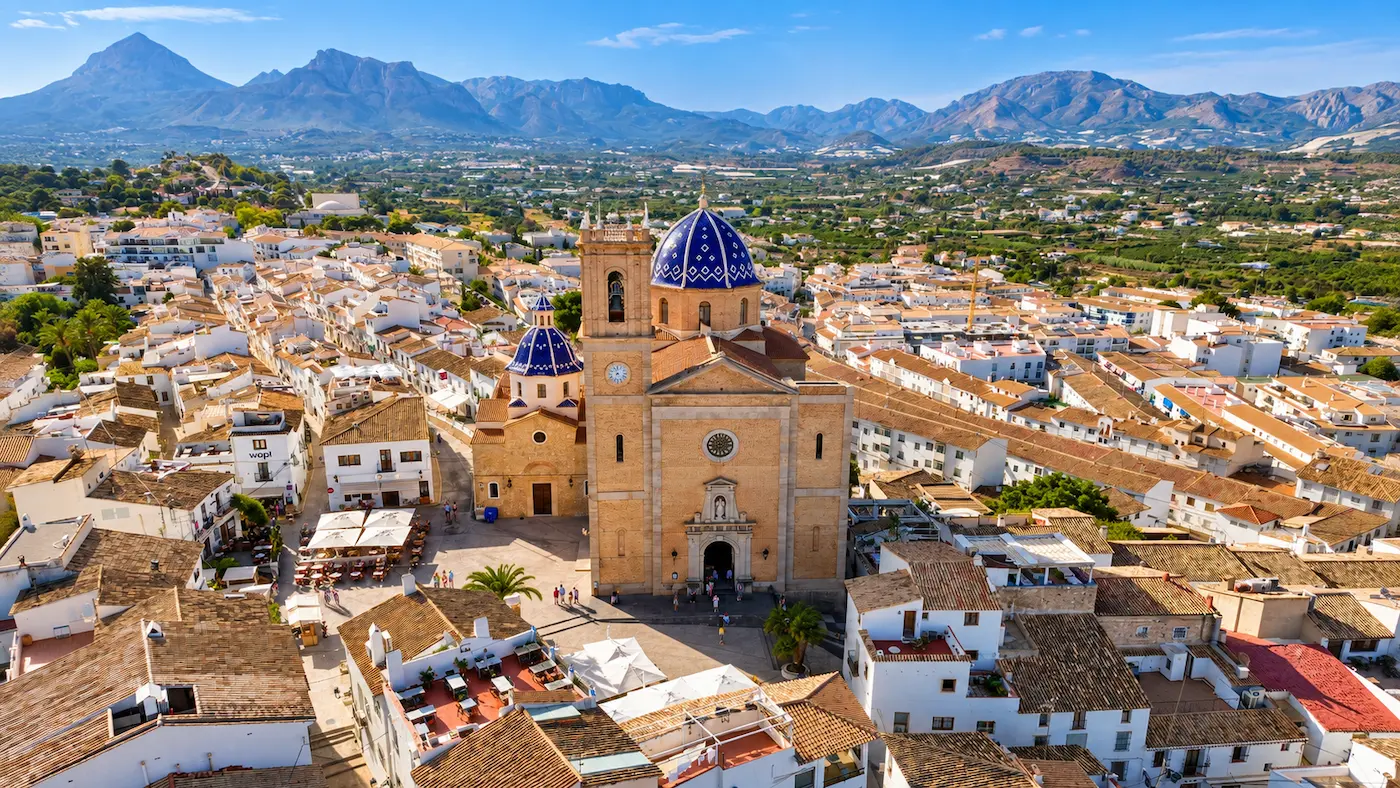
A whitewashed old town climbing a hill to a blue-domed church, with a long-standing reputation as an artists’ colony.
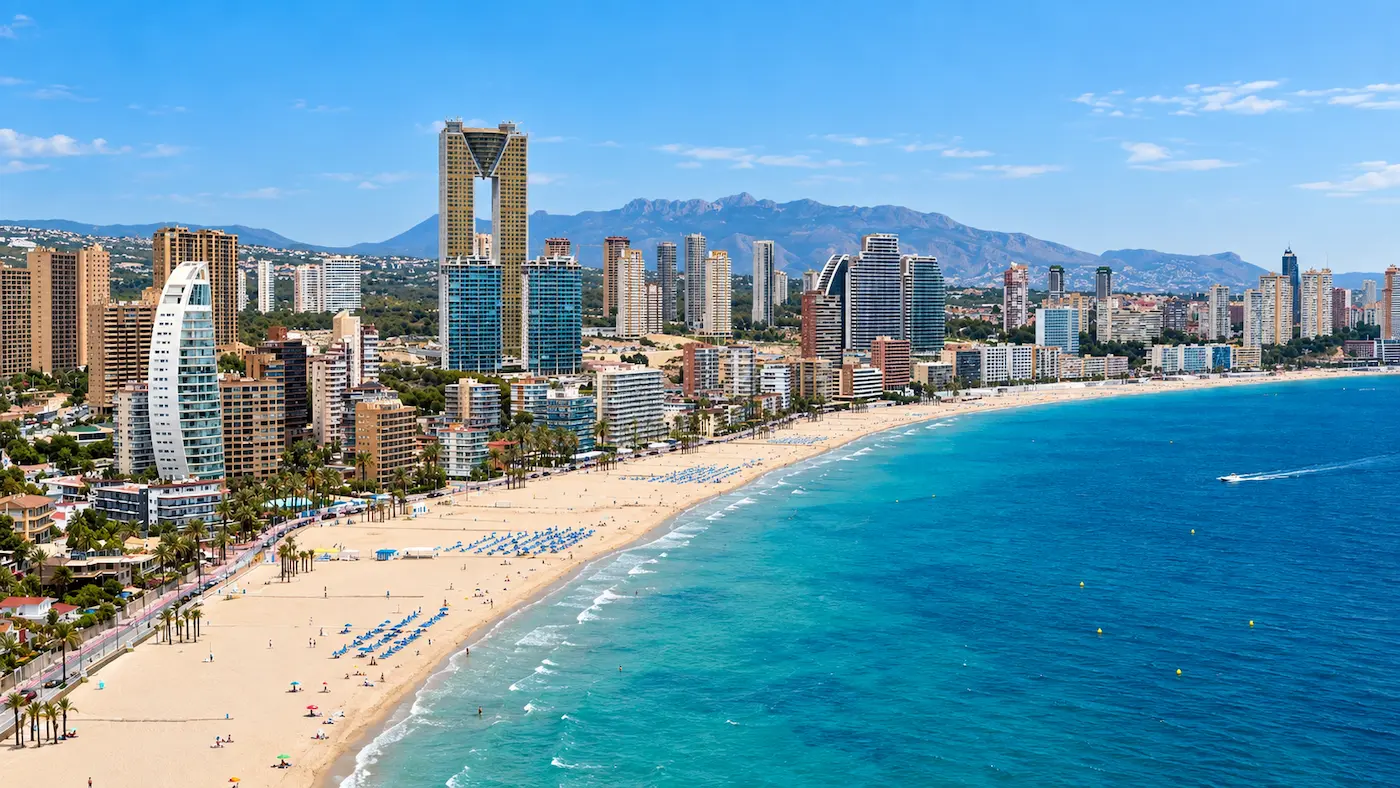
Spain’s biggest resort skyline — high-rise towers, two long beaches, and by far the most nightlife on this stretch of coast.
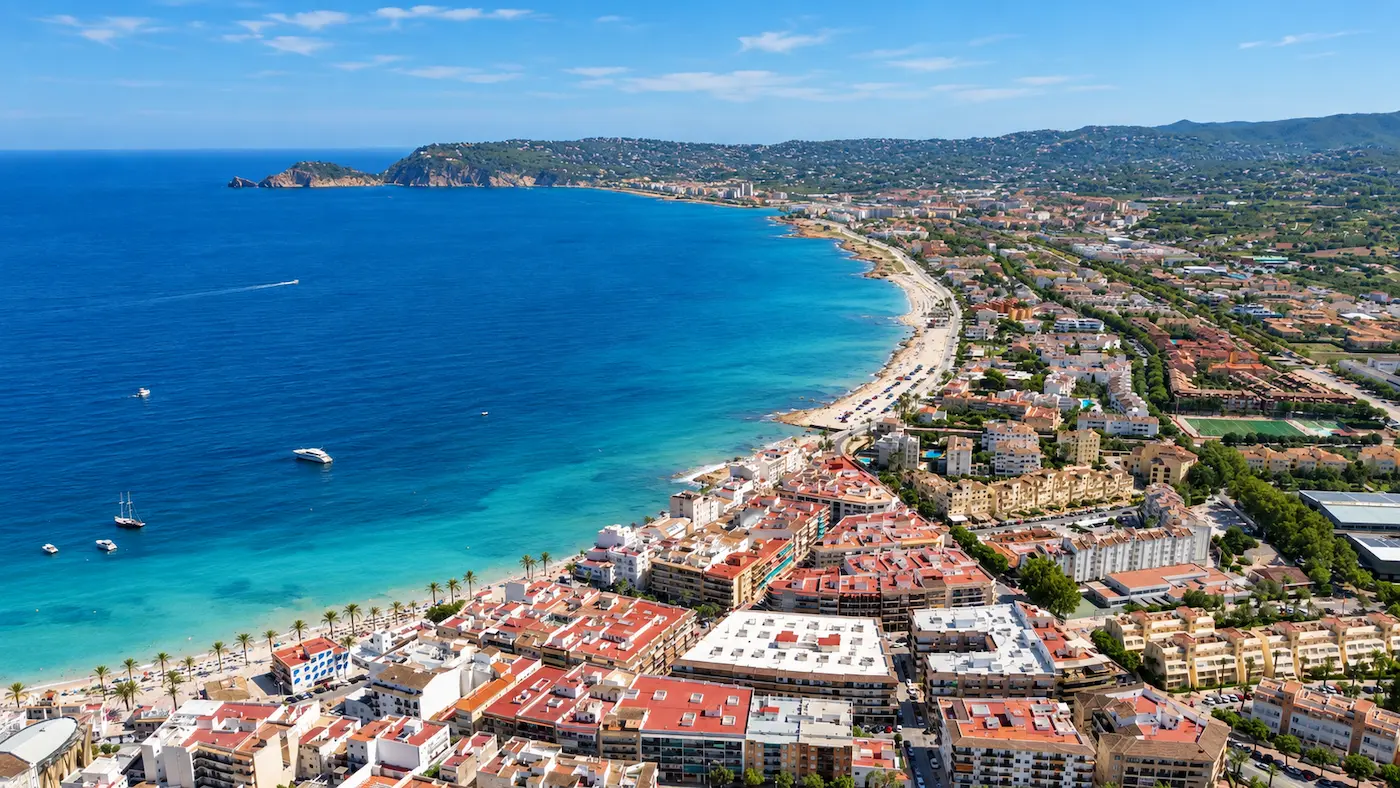
Split between a historic old town, a working port, and a beach strip — with the Montgó mountain as a constant backdrop.
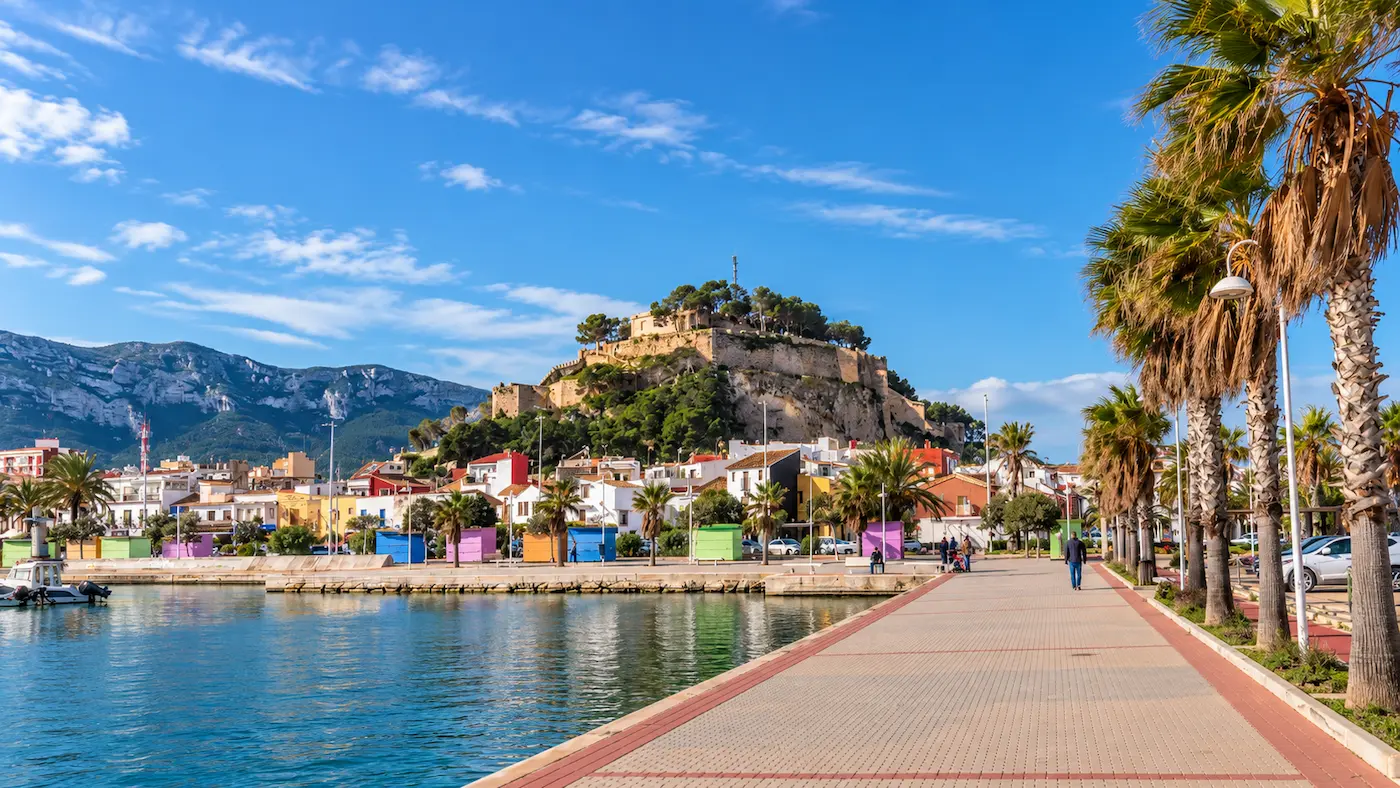
A working fishing port and ferry gateway to Ibiza and Mallorca, with a castle overlooking the old town.
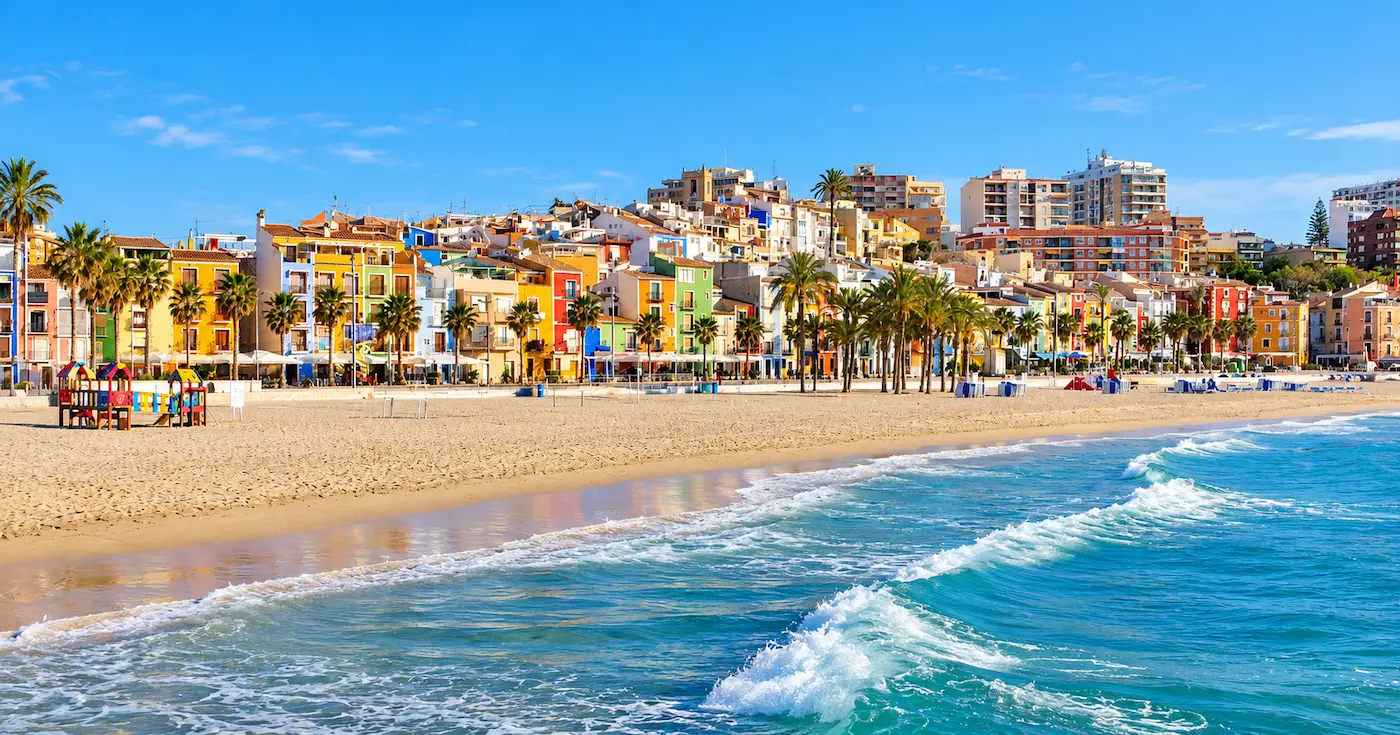
Known for its row of brightly painted seafront houses and a strong fishing-town identity that’s stayed intact.
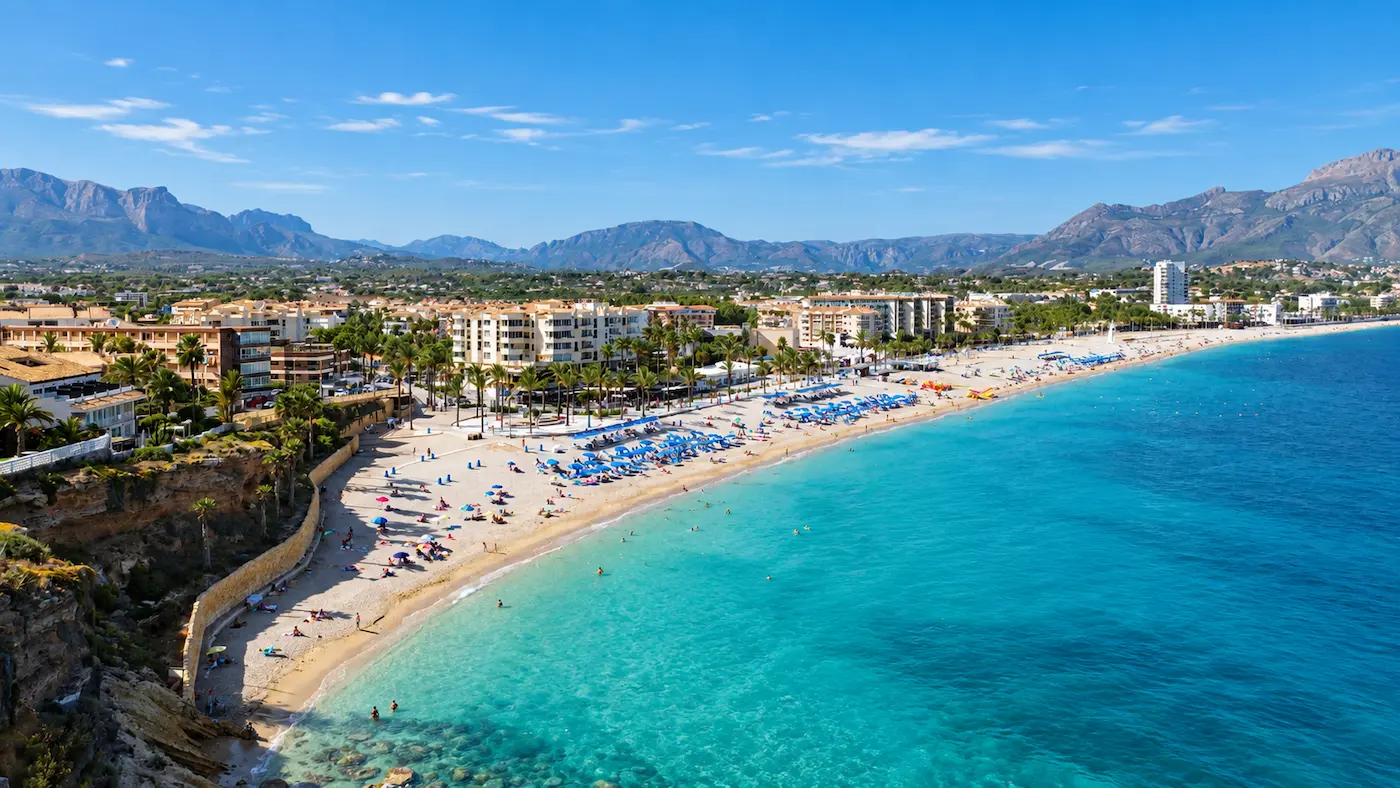
A calmer, more residential stretch of coast tucked between Altea and Benidorm — a pebble beach and a long seafront promenade.
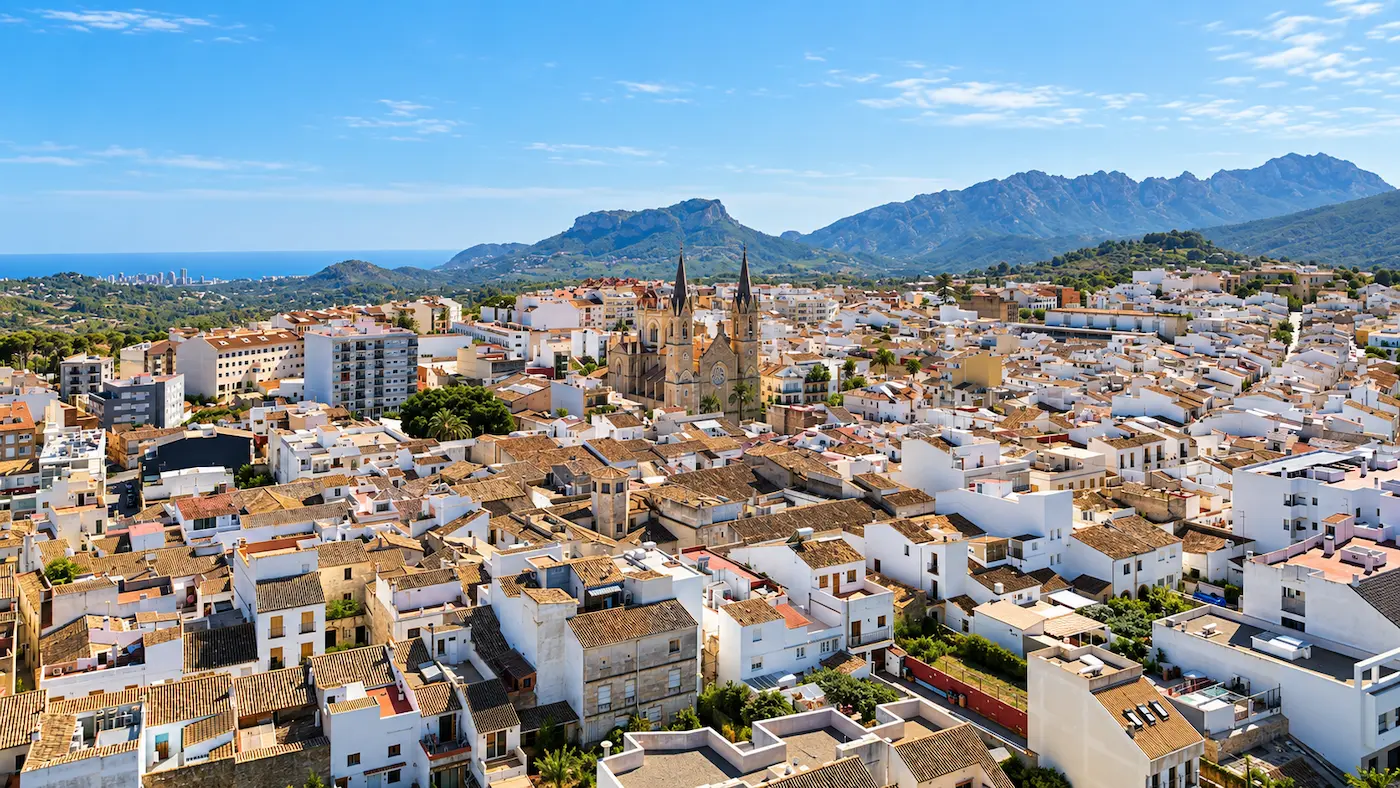
An inland old town a few kilometres up from its own stretch of coast — quieter and more local than the beach resorts around it.
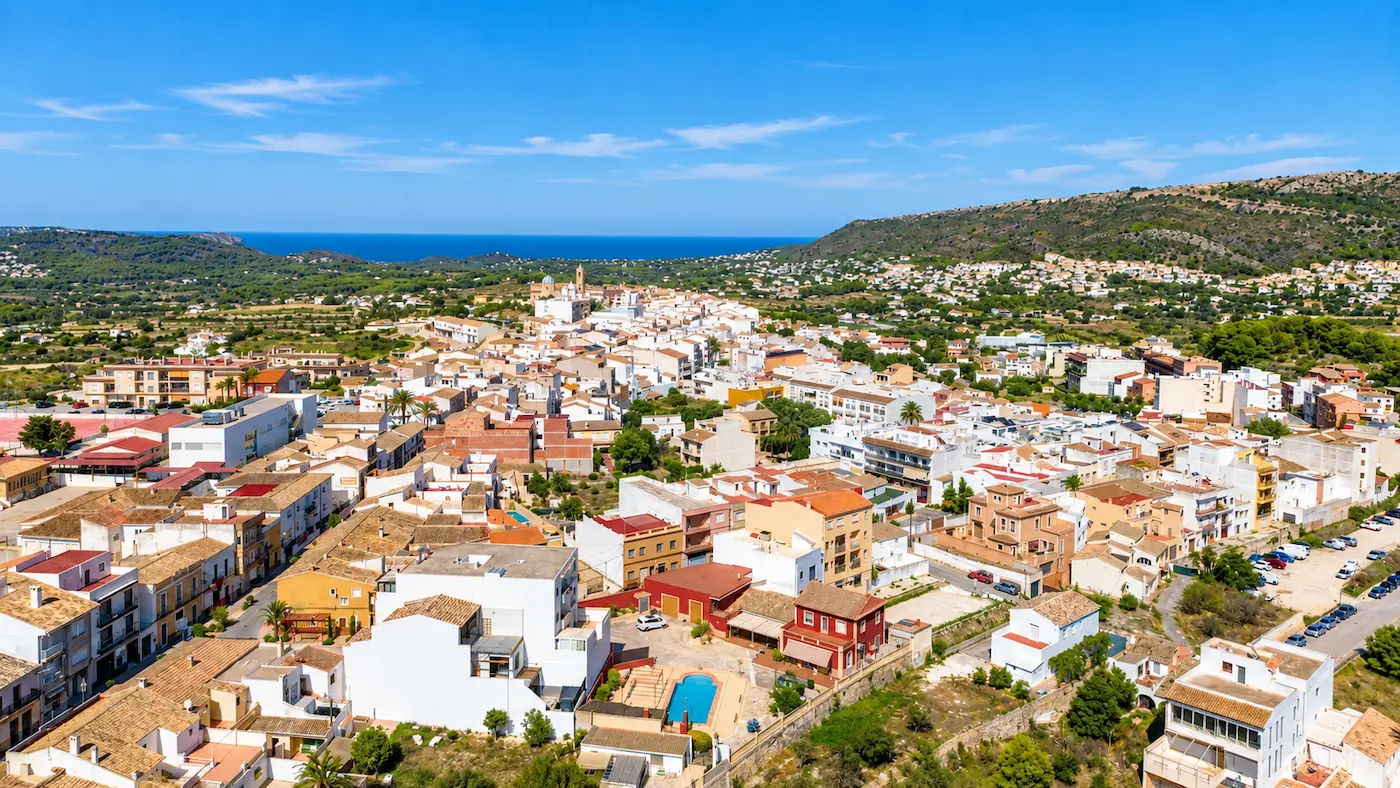
Wild coves and cliff-edge walks rather than a built-up seafront — less developed than most of its neighbours.
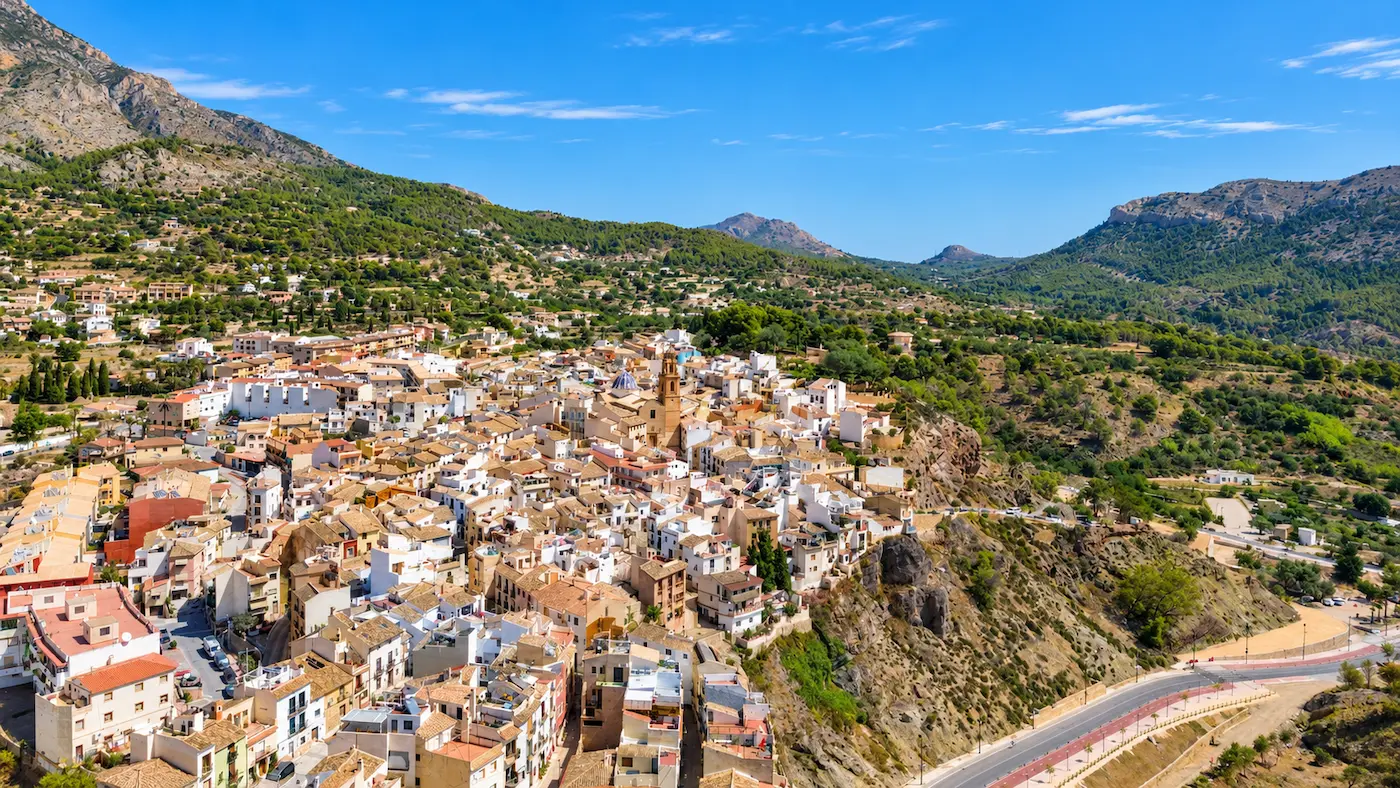
A small old town under the Puig Campana mountain, right next to the Costa Blanca’s theme parks.
*Monthly budget is a general Costa Blanca-wide estimate for a single person, rent excluded, not town-specific unless otherwise noted. **Albir sits within the Alfaz del Pi municipality — figures shown are for the wider municipality. Property figures sourced from Idealista valuation data, cross-checked against Engel & Völkers market reports; prices move with the market and should be reconfirmed before making a decision.